

Metro HVAC recently completed a dual-fuel HVAC upgrade for a homeowner in Camp Hill, Pennsylvania. The project replaced older outdoor equipment with a Daikin heat pump and added natural-gas backup as part of a dual-fuel system. Natural-gas service was added through UGI, with Metro HVAC handling the HVAC side of the conversion.
Before and after: Camp Hill dual-fuel HVAC upgrade
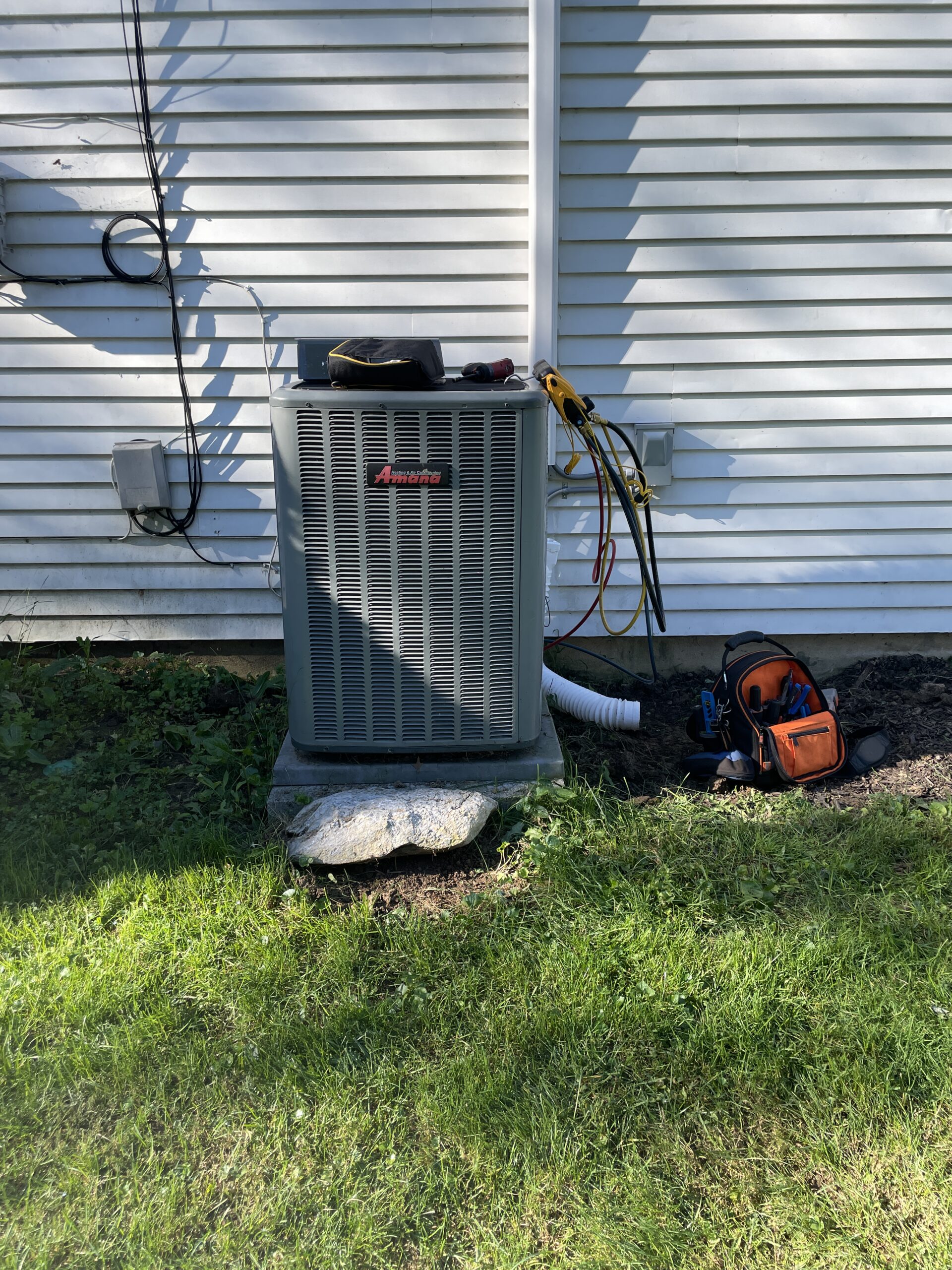
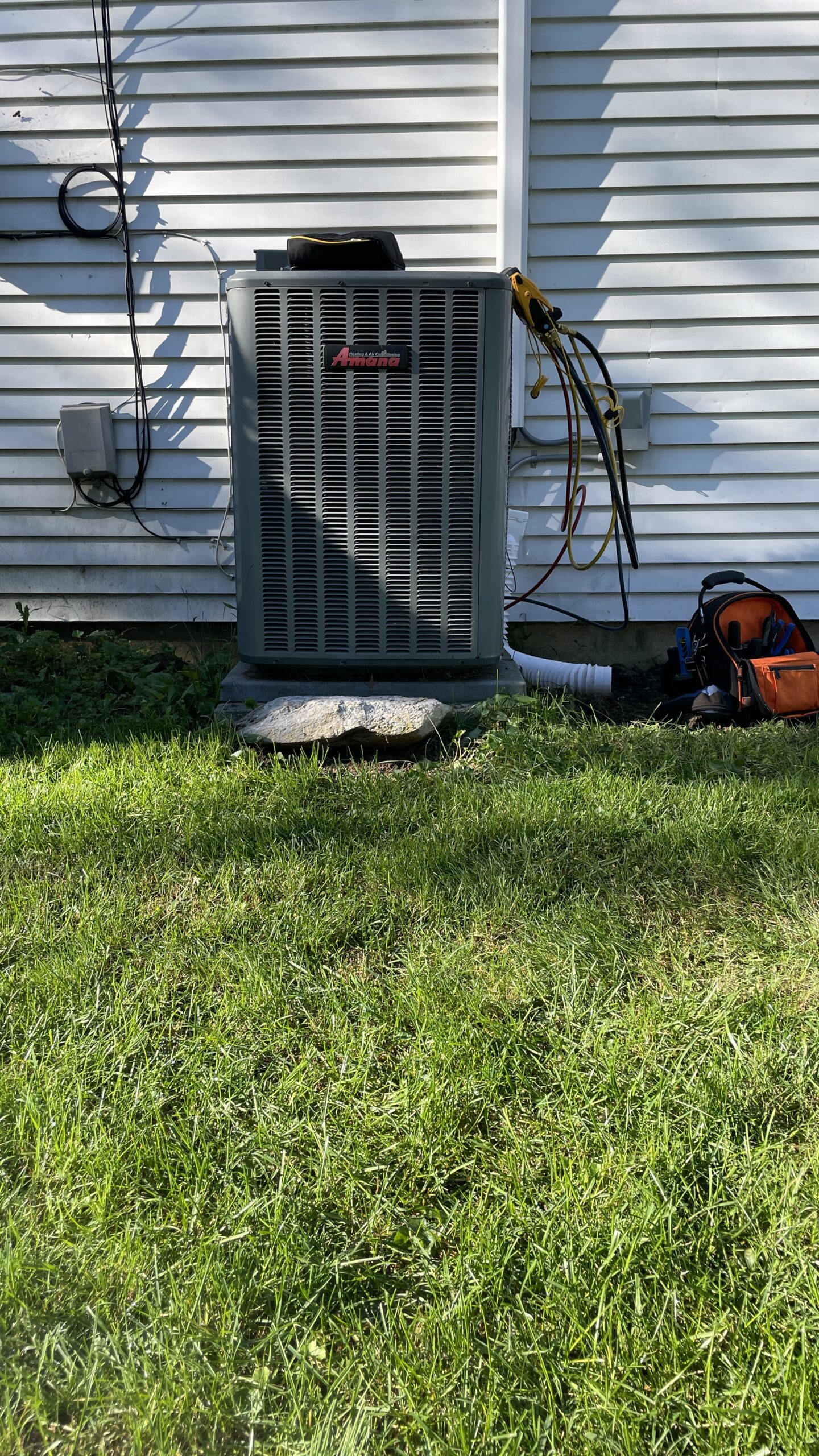
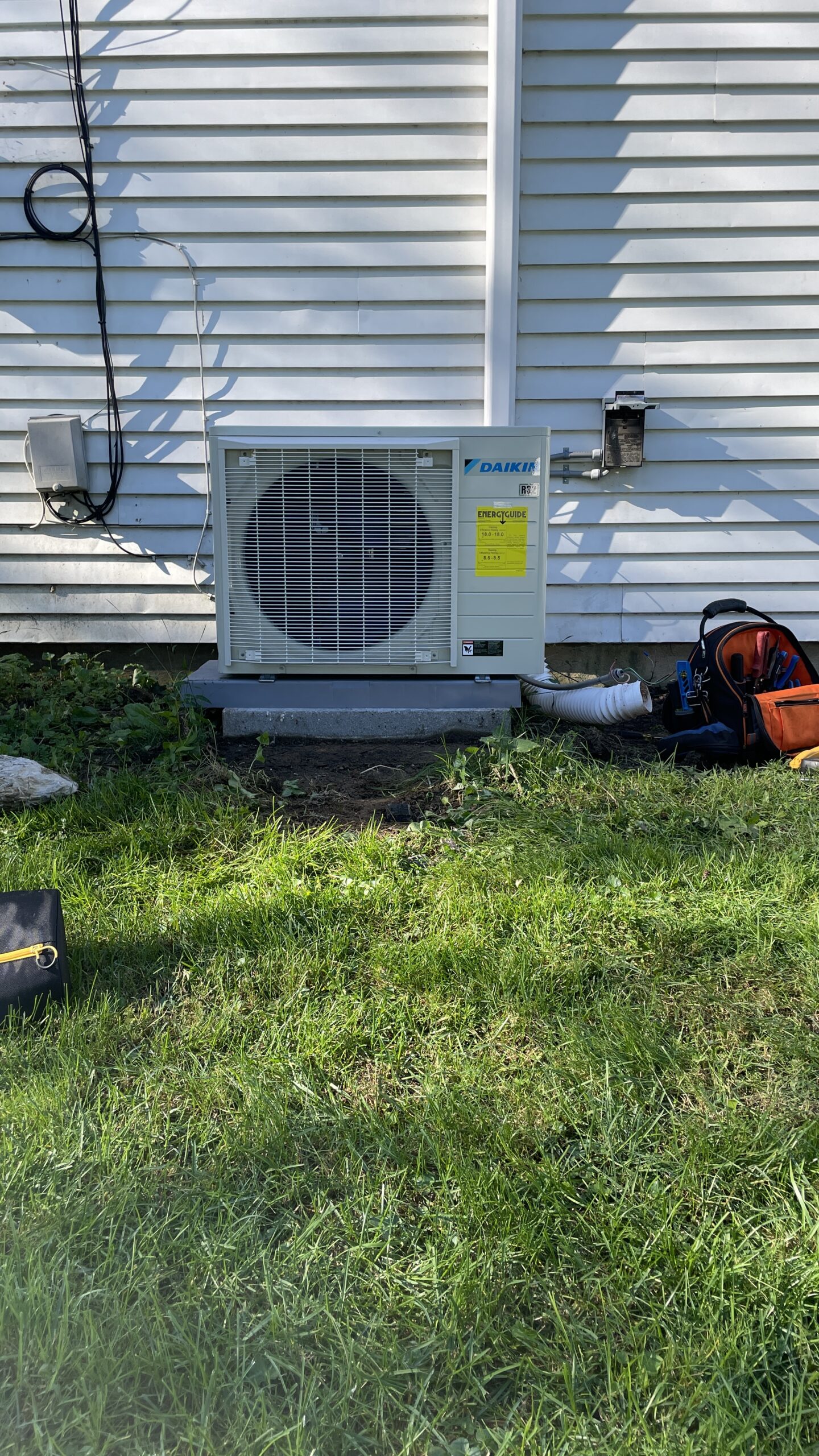
This project is a useful example of where dual fuel can make sense: use the heat pump for efficient everyday heating and cooling, then use the gas furnace as backup when the control strategy calls for it. The right setup depends on the house, duct system, utility rates, equipment selection, and the homeowner’s comfort goals—not simply on choosing the most expensive equipment.
What Metro HVAC changed at this Camp Hill home
- Removed the older outdoor HVAC equipment.
- Installed a new Daikin heat pump as the primary heating and cooling system.
- Integrated natural-gas furnace backup to create a dual-fuel system.
- Coordinated the HVAC portion of adding natural-gas service through UGI.
- Configured the system so the heat pump and gas backup can work together as one comfort system.
For homeowners comparing replacement options, our main Camp Hill heat pump installation and replacement page explains the differences between standard heat pumps, inverter systems, cold-climate equipment, and dual-fuel designs.
What does “dual fuel” mean?
A dual-fuel HVAC system combines an electric heat pump with a gas furnace. The heat pump normally handles heating during milder weather and also provides air conditioning in the summer. When outdoor conditions, operating strategy, or system settings call for backup heat, the gas furnace takes over.
The switchover should not be chosen from a generic temperature chart. The correct balance point depends on the home’s heating load, the selected heat pump’s capacity at colder temperatures, utility costs, comfort expectations, duct performance, and the actual furnace/heat-pump combination.
Why add natural gas instead of installing only a heat pump?
In some Camp Hill homes, a modern heat pump by itself is the best answer. In others, dual fuel gives the homeowner more flexibility. A gas furnace can provide strong backup heat while the heat pump handles a large share of the season efficiently.
That does not mean dual fuel is automatically better. If a properly sized cold-climate heat pump can carry the home’s load, the electrical service is adequate, and the homeowner wants to avoid adding gas, an all-electric system may be the better design. Metro HVAC evaluates the home before recommending either direction.
How UGI gas-service coordination fits into a project
Adding natural gas is more than swapping HVAC equipment. The home needs an available gas service path, properly sized piping, approved connections, shutoffs, combustion venting where applicable, and coordination between the utility work and the HVAC installation.
Metro HVAC is an approved UGI vendor for applicable gas-conversion work. On this Camp Hill project, natural-gas service was added through UGI so the new dual-fuel system could use gas furnace backup. Homeowners considering the same type of conversion should confirm gas availability and project requirements before selecting equipment.
You can also review our heating installation options if you are comparing a furnace, heat pump, or combined system.
When we would not recommend dual fuel
Dual fuel is a tool, not a default recommendation. We would challenge the design if:
- Natural gas is not readily available or the extension cost overwhelms the benefit.
- A correctly sized cold-climate heat pump can handle the home without fossil-fuel backup.
- The home’s ductwork, airflow, insulation, or electrical service needs attention before equipment selection.
- The homeowner’s expected operating-cost savings do not justify the added system complexity.
- A simpler system better matches the homeowner’s long-term plans.
The goal is not to sell two heat sources when one would do the job. The goal is to build the right system for the house.
Questions to answer before choosing a dual-fuel system
- What is the home’s actual heating and cooling load?
- How much heat can the selected heat pump deliver at local winter temperatures?
- What balance point makes sense for this specific equipment and home?
- Is the existing duct system sized for the required airflow?
- Is natural gas available at the property?
- Will the existing electrical service support the proposed heat pump?
- How will the thermostat or system controls manage heat-pump versus furnace operation?
- What are the expected operating costs under current electric and gas rates?
Real project proof matters more than generic HVAC claims
This Camp Hill installation is part of how Metro HVAC evaluates what should be recommended locally. Real replacement projects show the constraints that generic equipment pages miss: utility access, electrical capacity, outdoor-unit placement, ductwork, controls, and the way the homeowner actually wants the home to feel.
If you are replacing an older HVAC system in Camp Hill and want to compare a heat pump, gas furnace, or dual-fuel design, start with our heat pump options and our Camp Hill HVAC service page. Metro HVAC can evaluate the home and show the tradeoffs before you choose equipment.
Camp Hill dual-fuel heat pump FAQ
Does a dual-fuel system use the heat pump and furnace at the same time?
Normally the controls determine which heat source should operate based on the system design and settings. The exact sequence depends on the equipment and control strategy.
Do I need natural gas for dual fuel?
A heat-pump-plus-gas-furnace dual-fuel system requires a gas fuel source. If natural gas is not available, other system designs may make more sense.
Is a dual-fuel system always cheaper to operate?
No. Operating cost depends on local electric and gas rates, outdoor temperatures, equipment efficiency, home heat loss, and the control strategy. That is why Metro HVAC compares the house and the equipment rather than promising a universal savings percentage.
