
Based in Camp Hill, PA - serving Cumberland, Dauphin, Lebanon & northern Lancaster County

Heating Repair in Camp Hill, PA

When your home has no heat, weak heat, short cycling, unusual furnace noises, thermostat problems, or a heat pump that is not heating correctly, the first step is identifying the cause—not guessing at parts.

Metro HVAC provides residential heating repair in Camp Hill, PA for gas furnaces, heat pumps, boilers, and hybrid systems. Our technicians diagnose the problem, explain what failed, and give you clear repair options before work begins.

Request Heating Repair Service
or call (717) 874-2030

Metro HVAC - 250+ 5 Star Google Reviews
Schedule An Evaluation

Why Is My Heating System Not Working?

A heating system can stop working because of a thermostat or control problem, loss of electrical power, restricted airflow, an ignition or combustion issue, a failed motor or electrical component, a heat-pump fault, or another equipment-specific problem. The symptom often narrows the possibilities, but an accurate diagnosis should come before a repair recommendation.

Metro HVAC repairs heating systems in Camp Hill and surrounding Central Pennsylvania communities, with service focused on restoring safe, reliable heat and explaining the cause in plain language.

Heating Installation & Replacement
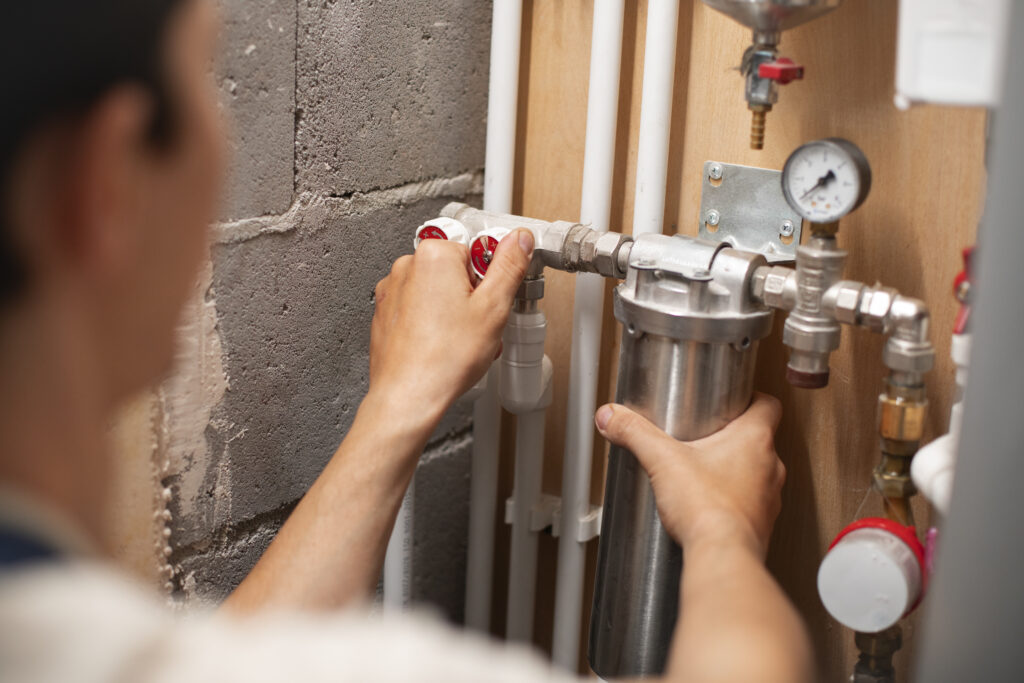
Metro HVAC heating repair service in Camp Hill PA

Common Heating Problems We Diagnose and Repair

Furnace Won’t Turn On

If the furnace does not start at all, check that the thermostat is set to heat and that the system breaker has not tripped. A furnace that still will not start may have a control, safety-switch, ignition, electrical, or equipment problem that needs diagnosis.

Furnace Is Running but Not Producing Heat

A furnace can run without delivering normal heat when airflow is restricted, the burner or ignition system is not operating correctly, a control is not responding, or another component has failed. If the system is blowing cool air continuously, it should be inspected rather than allowed to run indefinitely.

Furnace Keeps Turning On and Off

Frequent short cycling can be related to airflow restriction, thermostat or control issues, overheating protection, improper system operation, or equipment faults. Repeated cycling can reduce comfort and should be diagnosed before replacing parts.

Weak Airflow or Uneven Heating

Rooms that stay cold while other areas are comfortable can point to filter restriction, blower performance, duct leakage, balancing problems, zoning issues, or equipment operation. We look at both the heating equipment and the airflow path instead of assuming the furnace is the only cause.

Furnace Making Banging, Rattling, Grinding, or Squealing Noises

New or worsening noises can come from moving components, sheet metal, the blower assembly, ignition events, or other mechanical issues. Shut the system down if a noise is severe, accompanied by smoke, or suggests unsafe operation.

Heat Pump Blowing Cold Air

Heat pumps can deliver air that feels cooler than furnace air during normal operation, but persistent cold air, poor room temperature, fault codes, or heavy reliance on auxiliary heat can indicate a control, refrigerant, outdoor-unit, defrost, airflow, or equipment problem. For heat-pump-specific repair or replacement questions, see our heat pump service information.

Thermostat Not Controlling the Heat

If changing the thermostat setting does not start or stop the system as expected, the issue may involve the thermostat, wiring, controls, power supply, or the heating equipment itself. We verify the full control sequence rather than assuming the thermostat is automatically at fault.

Metro HVAC logo with the company name and mascot.

What Should I Check Before Calling for Heating Repair?

Homeowners can safely check a few basics before scheduling service:

  • Confirm the thermostat is set to Heat and the temperature is set above the room temperature.
  • Check whether the heating-system breaker has tripped. Do not repeatedly reset a breaker that continues to trip.
  • Check the air filter and replace it if it is visibly clogged and you can do so safely.
  • Make sure supply and return vents are not blocked by furniture or household items.
  • Note any fault code, unusual sound, smell, or pattern such as short cycling before calling.

Safety: If you smell natural gas, hear a carbon-monoxide alarm, see smoke or fire, or believe the equipment is operating unsafely, leave the affected area and follow the appropriate emergency or utility instructions. Do not continue operating the heating system while trying to troubleshoot it.

Heating Repair or Replacement: How Do You Know?

A repair is often appropriate when the problem can be corrected safely, the equipment is otherwise in reasonable condition, and the cost makes sense for the expected remaining life of the system.

Replacement becomes worth discussing when the system has repeated failures, major component problems, safety concerns, poor comfort that repairs are not solving, or repair costs that no longer make sense relative to the equipment’s condition.

Metro HVAC will explain the diagnosis first. If repair is the practical option, we can discuss the repair. If the system is reaching the point where replacement should be considered, see our heating replacement options or heating installation information.

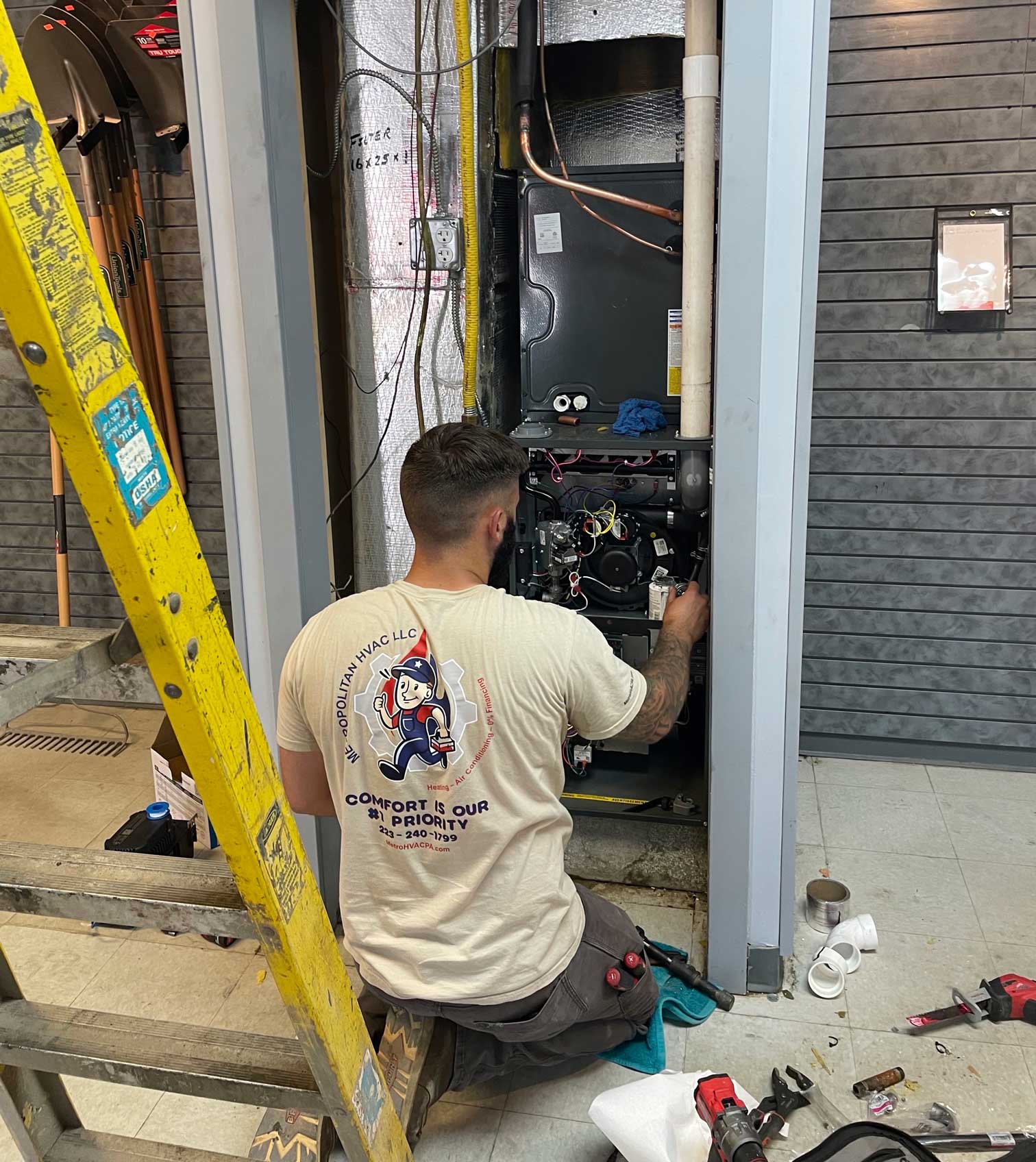
Heating system diagnosis and repair by Metro HVAC
hvac services

Heating Systems We Repair

Metro HVAC diagnoses and repairs common residential heating systems found in Central Pennsylvania homes, including:

  • Gas furnaces — ignition, controls, airflow, blower, cycling, heating, and operating problems. For furnace-specific service, visit furnace repair.
  • Heat pumps — heating performance, controls, defrost, auxiliary heat, airflow, and system faults. Learn more about heat pump systems.
  • Boilers — heating and operating problems requiring boiler-specific diagnosis.
  • Dual-fuel and hybrid systems — controls and operation involving both heat-pump and furnace equipment.

The repair page stays focused on restoring existing equipment. Homeowners specifically comparing new systems should use our replacement and installation pages instead.

What to Expect During a Metro HVAC Heating Repair Call

  1. Listen to the symptoms. We start with what the system is doing, when the problem began, and anything you noticed before it failed.
  2. Diagnose the equipment. The technician checks the heating system and related controls to identify the actual failure.
  3. Explain the findings. You get a clear explanation of what is wrong and what repair options make sense.
  4. Review pricing before work. We discuss the repair before proceeding so you know what is being recommended.
  5. Repair and verify operation. After approved work, we test system operation and confirm the equipment is responding as expected.

The goal is a repeatable diagnostic process—not replacing parts until something happens to work.

ac installation and replacement

Heating Repair Questions Camp Hill Homeowners Ask

A furnace can run without delivering normal heat because of airflow restriction, ignition or burner problems, controls, electrical issues, or another equipment fault. If the system keeps blowing cool air, a diagnostic visit can determine the cause before parts are replaced.

First confirm the thermostat is set to Heat and check whether the heating-system breaker has tripped. If the system still will not start, the problem may involve power, controls, safeties, ignition, or other components that require diagnosis.

Short cycling can be caused by airflow restriction, thermostat or control issues, overheating protection, or equipment problems. Repeated cycling should be diagnosed because the symptom can have more than one cause.

Heat-pump air may feel cooler than furnace air during normal operation, but persistent cold air, poor temperature control, fault codes, or excessive auxiliary-heat use can indicate a system problem. We can diagnose the heating, control, airflow, defrost, and equipment operation.

Heating repair cost depends on the failure, required parts, system type, and work needed. Metro HVAC diagnoses the problem first and reviews the repair option before approved work proceeds.

Yes. Metro HVAC works on common residential furnaces, heat pumps, boilers, and dual-fuel or hybrid heating systems in Central Pennsylvania homes.

Replacement is worth discussing when there are repeated failures, major component problems, safety concerns, poor comfort that repairs are not resolving, or repair costs that no longer make sense for the system’s condition. We explain the diagnosis before discussing replacement.

Do not keep operating or troubleshooting the heating system. Leave the affected area and follow the appropriate emergency or utility instructions. A gas odor, carbon-monoxide alarm, smoke, or fire should be treated as a safety issue rather than a routine repair symptom.

South Central PA's best heating and cooling contractors

Heating Repair in Camp Hill and Central Pennsylvania

Metro HVAC is based in Camp Hill, PA and provides residential heating repair throughout our Central Pennsylvania service area. The Camp Hill location makes this page specifically relevant to homeowners searching for heating and furnace repair near Camp Hill, while our broader service area includes nearby communities such as Mechanicsburg, Lemoyne, New Cumberland, Enola, Carlisle, Hershey, Hummelstown, and other approved service locations.

Local heating systems vary by home age, fuel type, ductwork, equipment configuration, and prior modifications. Our repair process starts with the equipment and the actual symptoms in your home rather than assuming every no-heat call has the same cause.

Request Heating Repair in Camp Hill, PA

If your heating system is not working properly, request service with Metro HVAC or call (717) 874-2030. Tell us whether you have no heat, intermittent heat, unusual noises, a thermostat problem, airflow trouble, or another heating concern so we can prepare for the visit.