

It’s frustrating to wake up to a cold house. Before you call for a service technician, there are several troubleshooting steps you can take yourself. Many furnace issues are caused by simple, external factors rather than mechanical failure. If you need help we are only a call away.
Safety first: if you smell gas, hear a carbon-monoxide alarm, see smoke or suspect a fire, leave the building and contact emergency services or your gas utility from outside. Do not operate switches or restart the equipment.
Without opening service panels, confirm thermostat mode and setpoint, check batteries if applicable, and follow the owner’s manual for a user-accessible filter. Keep supply and return grilles clear. Do not open fuel valves, test live wiring, bypass safety switches or repeatedly reset breakers or burner controls. The internal component sections below explain technician diagnosis, not homeowner repair steps.
No heat: observations to share with your technician
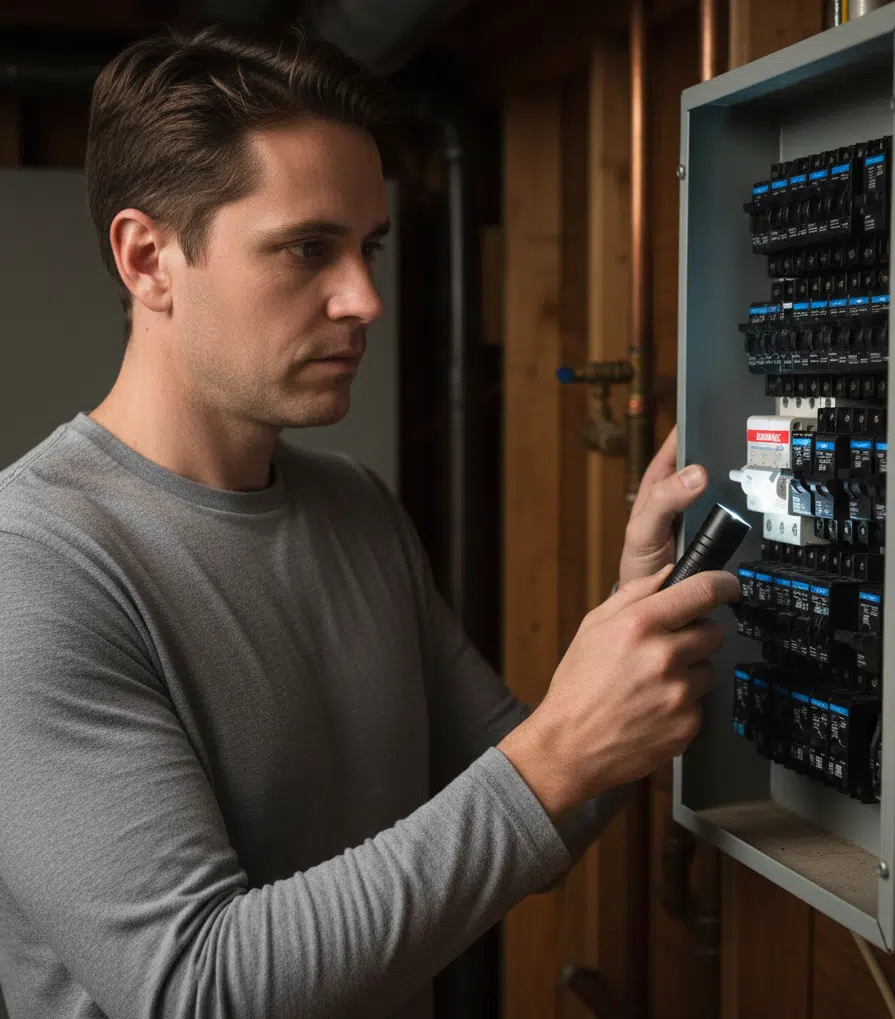
1. Power: note an interruption without opening electrical covers
Check whether the thermostat display is operating and whether the accessible service switch appears off. A tripped breaker can indicate a fault. Do not open electrical covers, work on wiring or repeatedly reset the breaker. Describe your observations when requesting service. Keep clear of wet, hot, buzzing or visibly damaged electrical equipment.
Pro Tip: Check the service switch (it looks like a light switch) located on or near the side of the furnace itself to ensure it hasn’t been accidentally toggled off.
2. Fuel supply: report an interruption; do not reopen a shutoff
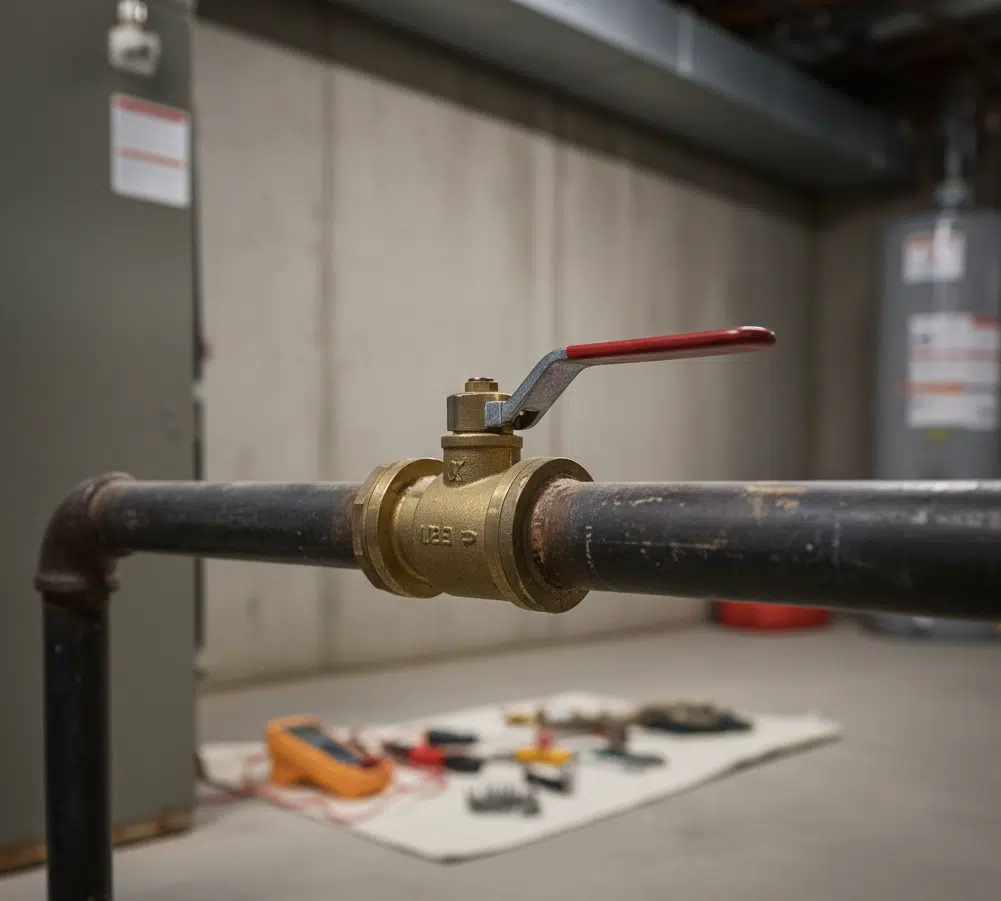
Tell the office whether you have natural gas, propane, oil or electric heat, and whether a utility interruption or empty fuel tank is known. Do not open a valve closed for an unknown reason, relight equipment after a suspected leak, or repeatedly reset an oil burner. Fuel-pressure, valve and combustion checks are technician work. If you smell gas, leave and contact the utility or emergency services from outside.
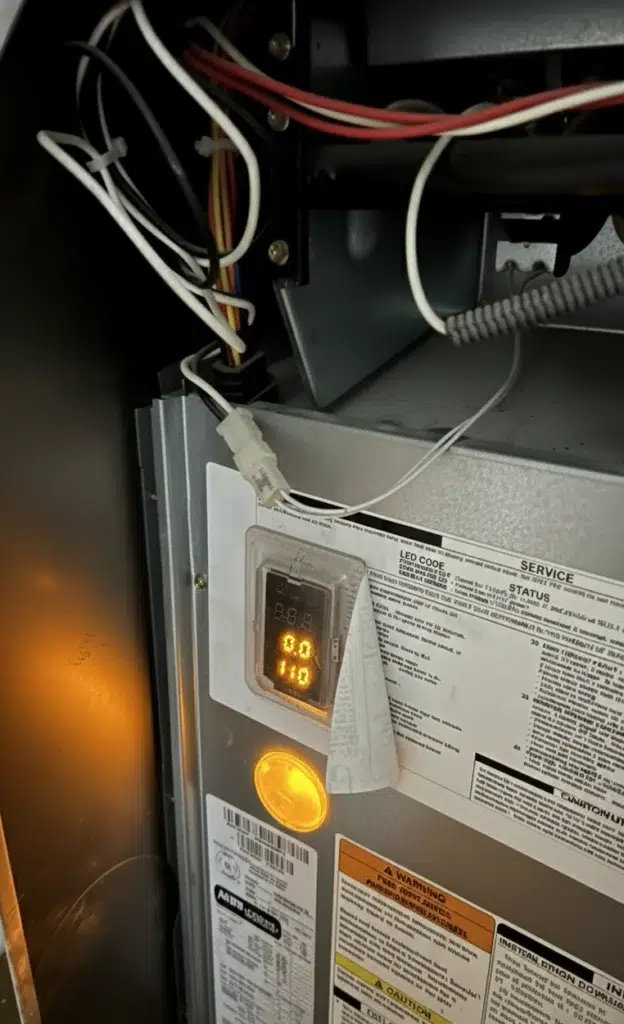
3. Diagnostic Light: Check for Error Codes
Most modern furnaces have a small clear window on the lower panel. Behind it, an LED light will blink in a specific sequence (e.g., two short blinks, one long).
Note the pattern: Write down the code.
Leave covers closed: Compare a code visible through the viewing window with the owner’s manual, or send it to Metro. Do not remove a service panel to find a legend or make the furnace operate with a cover removed.
4. Technician-only diagnosis: ignition and startup
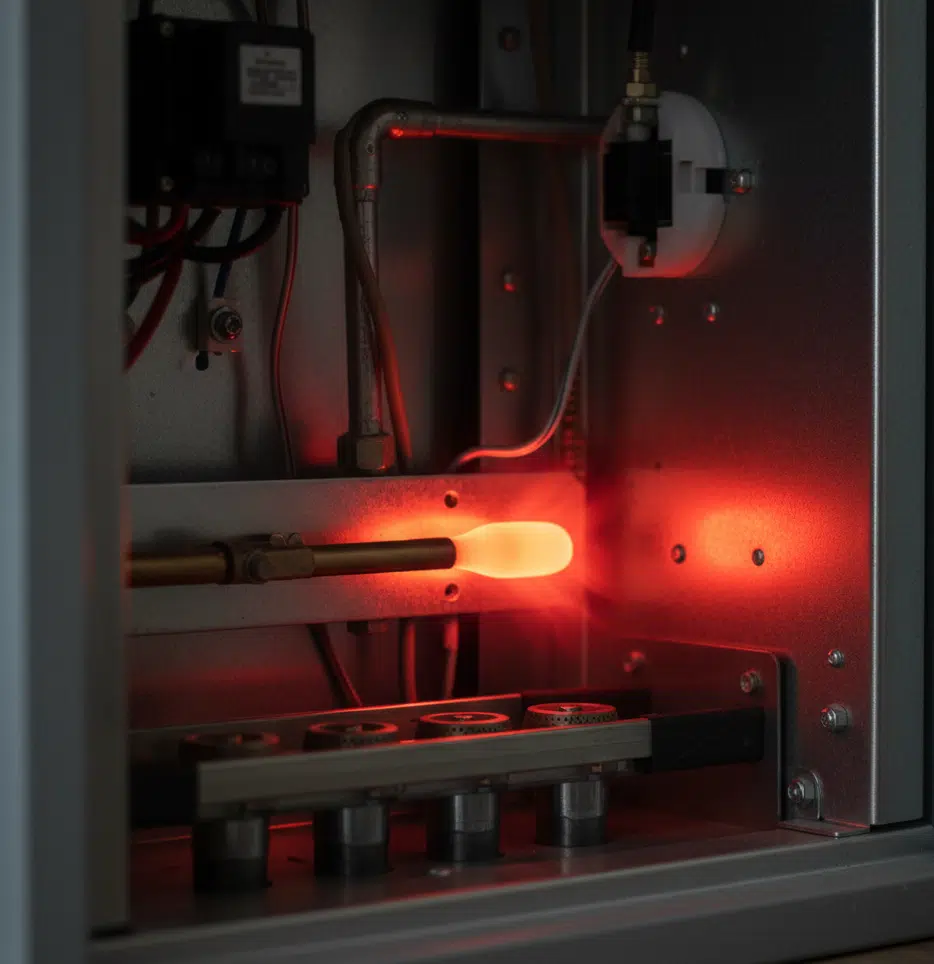
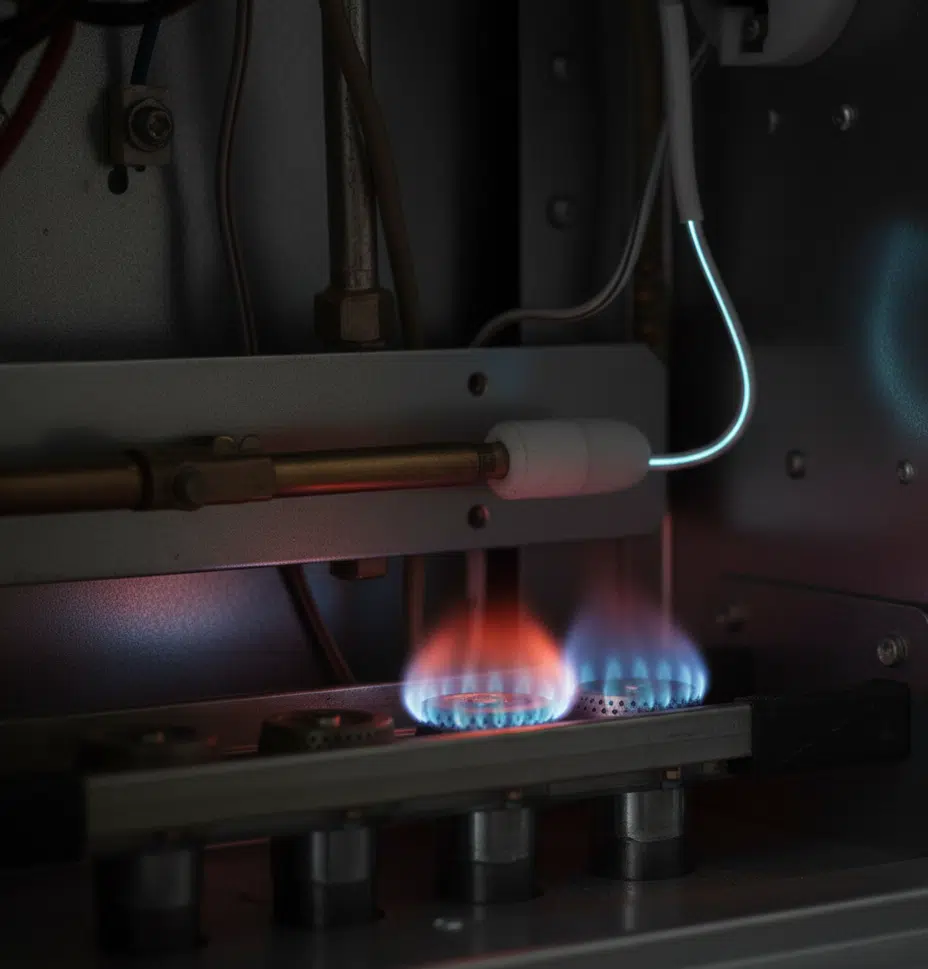
The internal component checks below describe professional service, not homeowner repair steps. Leave burner and electrical compartments closed. A technician verifies the startup sequence using the instructions for the specific furnace. Ignition arrangements differ; a missing glow or failed start alone does not establish the failed part.
5. Technician-only diagnosis: flame proving
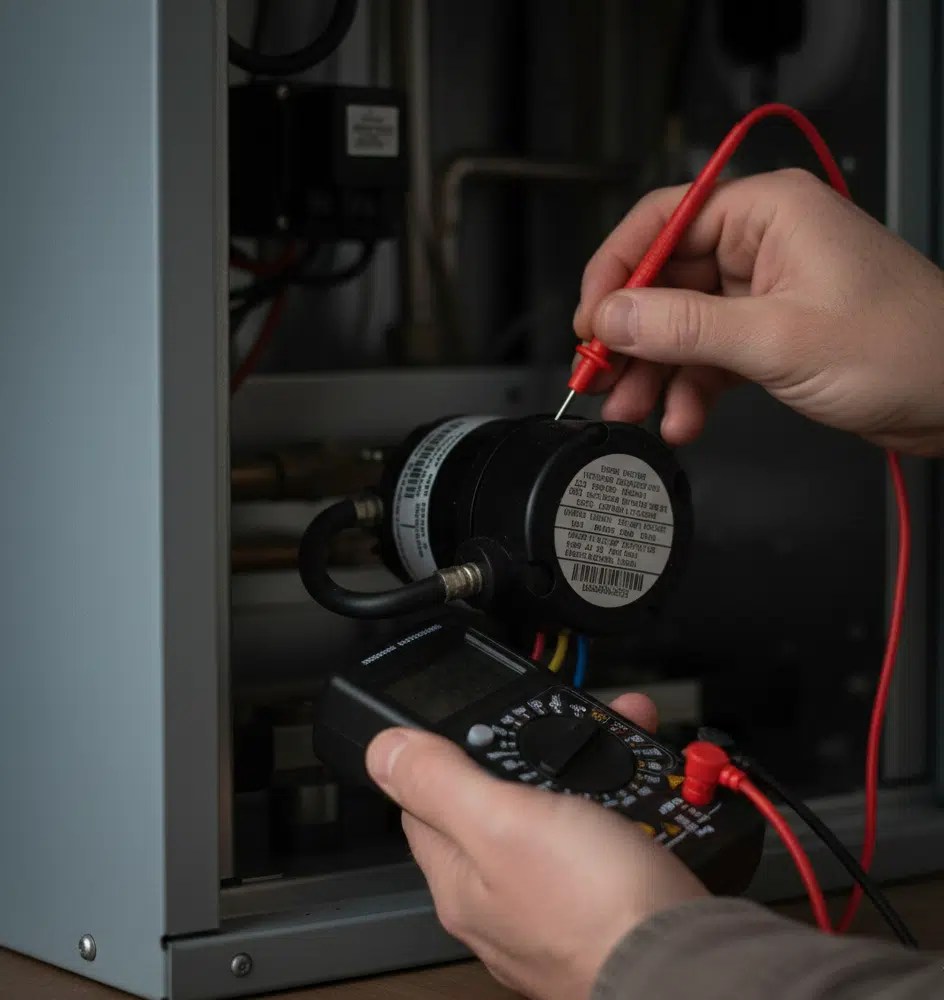
Flame-proving problems can cause a furnace to stop shortly after ignition, but that symptom can have several causes. A qualified technician checks the flame signal, grounding, wiring and combustion according to the equipment instructions. Do not remove or clean internal components, measure live current or bypass the flame-safety circuit.
The Sign: The furnace lights for a few seconds and then immediately goes out.
6. Technician-only diagnosis: draft and venting
A draft-proving fault may involve the inducer, venting, condensate system, tubing or controls. A technician evaluates the complete system and manufacturer requirements; a fault code alone does not prove a pressure switch is bad. Never jumper a switch or disconnect safety tubing to make the furnace fire. A safety switch is not a substitute for working carbon-monoxide alarms.
7. Technician-only diagnosis: overheating and airflow
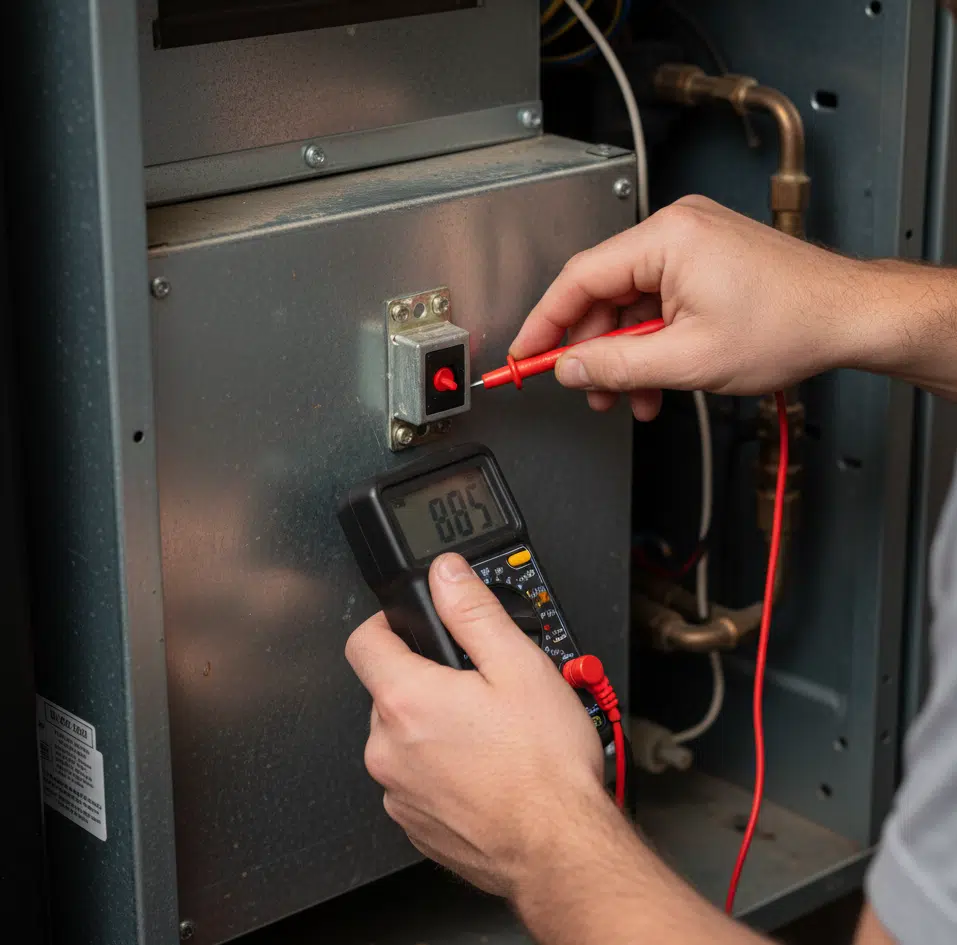
A high-limit trip can involve a restricted filter, blocked airflow, blower operation, fuel input or other conditions. A technician checks airflow and temperature rise against the equipment specifications and investigates the cause. You can check a safely accessible filter according to the manual, but a new filter does not establish that a repeatedly overheating furnace is safe to run.
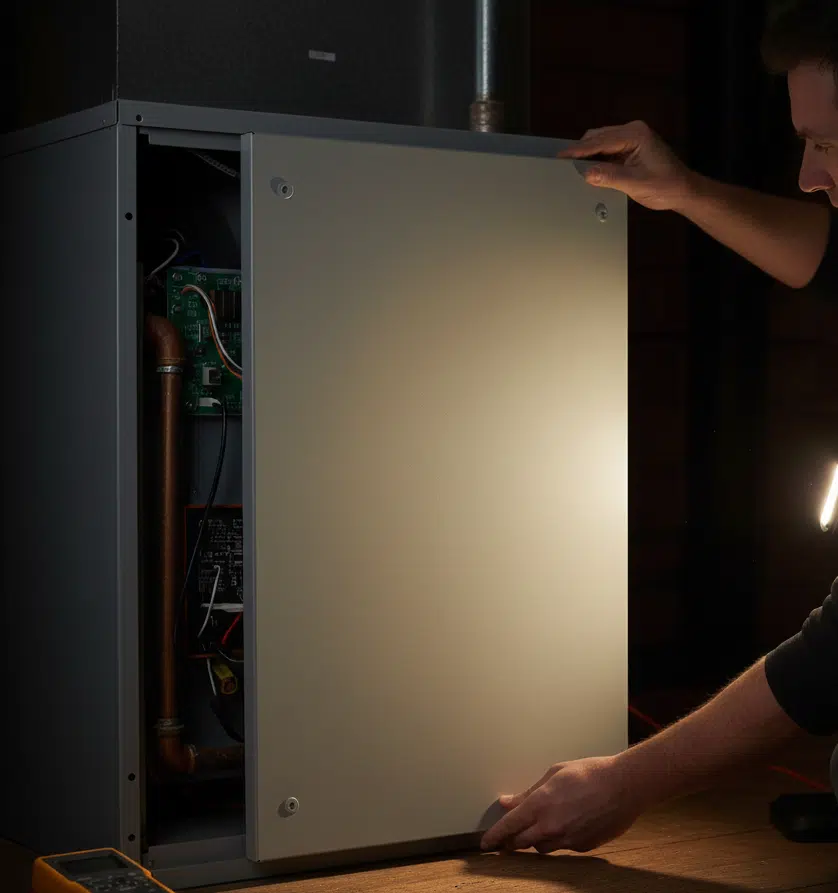
8. Leave service panels closed and arrange the right visit
Internal testing, repairs and verification of safe operation belong to a qualified technician. Do not hold a door switch closed, run equipment with service covers removed, or restart it after a gas smell, smoke, repeated lockout or unresolved safety fault. Share the thermostat reading, visible error code, equipment type and when the problem began with the office.
Still Feeling the Chill?
If the safe external checks do not resolve the issue, request diagnosis rather than continuing to reset or dismantle the equipment. Metro HVAC serves Camp Hill and nearby Central Pennsylvania communities. Call (717) 874-2030 or request heating repair. The office will confirm availability and applicable dispatch or diagnostic charges; a free replacement estimate is a different service.
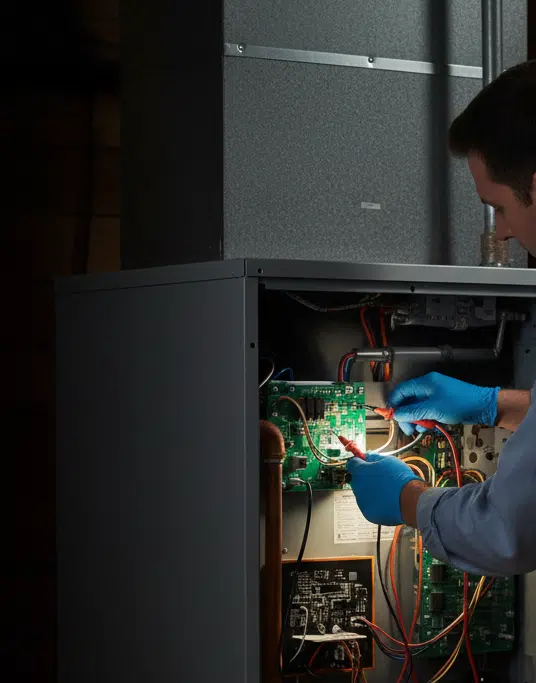
Trust the Pros at Metropolitan HVAC
At Metropolitan HVAC, we’ve been serving homeowners and businesses across Camp Hill and Southcentral PA with dependable, expert heating services. For a furnace-specific fault, request furnace repair. For a planned system change after diagnosis, compare heating replacement options. Our inspection, tune-up and repair guide explains the appropriate appointment. Our team is trained to identify the root cause of the problem, recommend the most cost-effective repair, and restore your system quickly and safely.
We offer:
- Fast scheduling and honest diagnostics
- Written heating-repair options before work is approved
- Urgent no-heat calls prioritized whenever scheduling allows
- Equipment-specific diagnosis for supported heating systems
