Repair may be appropriate
A serviceable system with a defined failure, reasonable repair cost, acceptable safety condition, and no recurring performance problem may deserve repair first. Visit Heating Repair in Mechanicsburg.


Heating system planning for Mechanicsburg homes
Compare furnaces, heat pumps, dual-fuel systems, and appropriate boiler or hydronic options with a plan built around the home—not simply the size printed on the old equipment. Metro HVAC reviews capacity, airflow, fuel, electrical service, venting, controls, and installation conditions before recommending a replacement.
Repair, replace, or plan the complete system
A weak room, high bill, or noisy system does not automatically mean replacement. Metro separates equipment failure from duct, control, fuel, and building-envelope issues before proposing a new system.
A serviceable system with a defined failure, reasonable repair cost, acceptable safety condition, and no recurring performance problem may deserve repair first. Visit Heating Repair in Mechanicsburg.
Repeated failures, unsafe conditions, unavailable parts, major heat-exchanger or compressor concerns, severe comfort problems, or a costly repair on aging equipment can make replacement worth comparing.
Replacing only the box can leave airflow, control, duct, gas, electrical, or humidity problems untouched. A complete proposal should identify the equipment and the supporting work needed for it to operate correctly.
Heating options
The right choice depends on heat loss, available utilities, ductwork, comfort goals, operating preferences, and the amount of supporting work each option requires.
A practical option for homes with suitable fuel, venting, and ductwork. Metro evaluates input, output, efficiency, staging, blower performance, temperature rise, and venting before selection. See Mechanicsburg furnace services.
A heat pump provides heating and cooling. Standard, inverter, and cold-weather-capable options should be compared using rated output, balance point, backup heat, electrical capacity, and the home’s actual load—not SEER alone.
A heat pump paired with a gas furnace can use electric heat during milder weather and fossil-fuel backup when the controls call for it. Proper equipment matching, thermostat logic, and changeover settings are essential.
For homes already using hot-water heat, the evaluation may include boiler capacity, distribution, circulators, controls, venting, expansion, and water-side condition. Final scope depends on the existing system and project requirements.
Sizing and airflow
Equipment can be oversized, undersized, or installed on ductwork that cannot move the required air. Metro considers the home’s construction, conditioned area, insulation, windows, infiltration, orientation, room-by-room comfort, and recent upgrades when determining the replacement path.
System comparison
These are planning factors, not one-size-fits-all rules. Metro confirms the final recommendation after evaluating the home and the existing system.
| Planning factor | Furnace | Heat pump | Dual fuel | Boiler / hydronic |
|---|---|---|---|---|
| Existing infrastructure | Fuel, vent, ducts | Ducts, electrical, outdoor location | Fuel, electrical, ducts, controls | Hydronic piping, venting, pumps, controls |
| Provides cooling | No; paired AC is separate | Yes | Yes, through heat-pump side | No; separate cooling required |
| Key sizing concern | Output and temperature rise | Rated heating output, balance point, backup heat | Heat-pump output and furnace changeover strategy | Heat loss, radiation, water temperature, distribution |
| Supporting work often reviewed | Gas, venting, condensate, airflow | Electrical, refrigerant piping, drain, airflow | All furnace and heat-pump requirements | Piping, expansion, air removal, circulators, venting |
Installation process
The exact scope varies by home, but the proposal should describe more than an equipment model number.
Review comfort complaints, equipment condition, load, airflow, utilities, venting, drainage, access, and controls.
Explain system types, efficiency, staging, expected operation, supporting work, warranty terms, and installed pricing.
Document equipment, permits where required, duct or piping changes, electrical or gas work, accessories, disposal, and exclusions.
Protect the work area, remove the old equipment, complete approved modifications, and install to manufacturer and code requirements.
Measure the items that apply: airflow, static pressure, temperature rise, gas pressure, refrigerant operation, defrost, staging, and safeties.
Review thermostat operation, filter access, maintenance, warranty registration, documentation, and homeowner questions.

Installed price
Price changes with the work required to deliver a complete, supportable system. Common variables include:
Use Metro’s instant pricing tool for a local planning range. Final pricing follows a home review and written scope.
Warranty, financing, and ownership
Manufacturer registration, matched-system requirements, maintenance, labor coverage, financing approval, and current utility or manufacturer programs can all affect the final decision.
The written proposal should identify applicable parts, unit-replacement, heat-exchanger, compressor, and labor coverage, along with registration and maintenance requirements.
Financing may be available to qualified homeowners. Review term, payment, interest, promotional expiration, and total cost before approving the project.
Programs change. Metro reviews current manufacturer and utility opportunities at proposal time rather than promising an outdated rebate on the page.
Related Mechanicsburg services
These links stay within Metro’s Mechanicsburg service cluster and connect repair, replacement, cooling, and maintenance decisions.
Homeowner questions
Consider the confirmed failure, repair cost, system age, safety condition, parts availability, breakdown history, comfort problems, and whether the existing equipment is properly sized. Metro can provide a repair diagnosis and a replacement comparison when both are reasonable choices.
No. The old equipment size is one data point, not the complete design. Home changes, prior oversizing, duct limitations, insulation, windows, and actual comfort history should be reviewed before selecting capacity.
The answer depends on the home’s load, fuel and electric service, ductwork, comfort goals, operating preferences, and installation cost. Metro compares how each option would operate in the specific house.
Properly selected heat pumps can provide substantial winter heating, but performance depends on rated low-temperature output, home load, balance point, defrost, backup heat, ductwork, and controls. The design should be based on those factors rather than a general claim.
A clear proposal should identify the equipment, supporting gas or electrical work, venting, drainage, refrigerant piping, duct or hydronic modifications, thermostat and accessories, removal, permits where required, startup, warranty, and exclusions.
Many straightforward replacements can be completed in a normal installation window, while fuel changes, duct modifications, electrical upgrades, boiler piping, difficult access, or permitting can add time. Metro defines the expected schedule in the written scope.
Not automatically. Uneven comfort may involve duct sizing, return-air limitations, balancing, insulation, sun exposure, zoning, or room load. Those conditions should be identified before assuming new equipment alone will solve them.
Use Metro’s instant pricing tool to compare local installed planning ranges. Metro confirms the final capacity, equipment, supporting work, and price after reviewing the home.
Metro HVAC serves Mechanicsburg from its Camp Hill location. Start with a planning range online, request an in-home evaluation, or call to discuss the system and the problems you are trying to solve.
Recommendations and final pricing depend on the home, equipment condition, utility capacity, code requirements, and written proposal.
What the work looks like
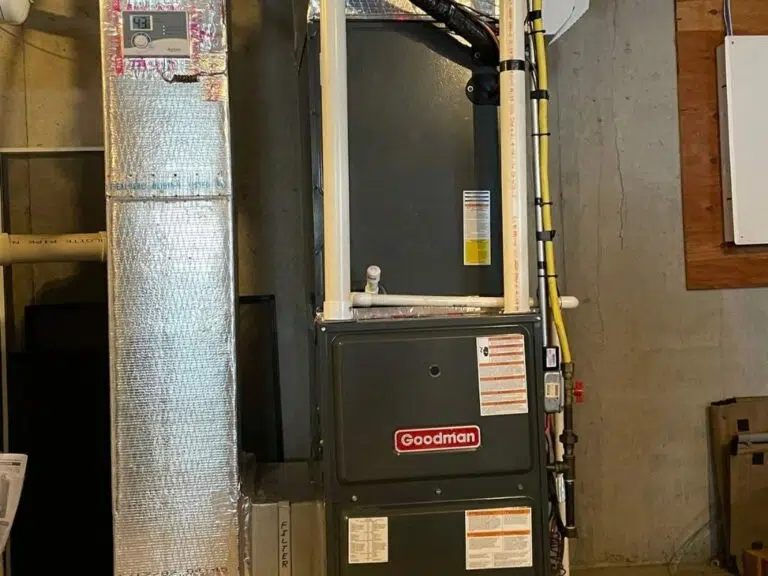
We do not want you making a repair or replacement decision from a brochure. We look at the equipment, show you what we found, and explain the options. The photos and reviews below are from real Metro work and customers for homeowners in Mechanicsburg and the surrounding service area..

Praised the thorough service, clear explanations and practical guidance for caring for the HVAC system.
TahlrathGoogle review shown on MetroHVACPA.comNoted a thorough evaluation, professional customer service and a clean work area after repairs.
Angela CormanGoogle review shown on MetroHVACPA.comHighlighted the team as knowledgeable, honest and strong communicators.
Jannene MillerGoogle review shown on MetroHVACPA.comThese review summaries come from Google reviews already shown on our Reviews page. We do not attach a review to a town unless the original review actually says where the work was done.
Mechanicsburg service directory
